Mole Examination
What is Nevus Examination?
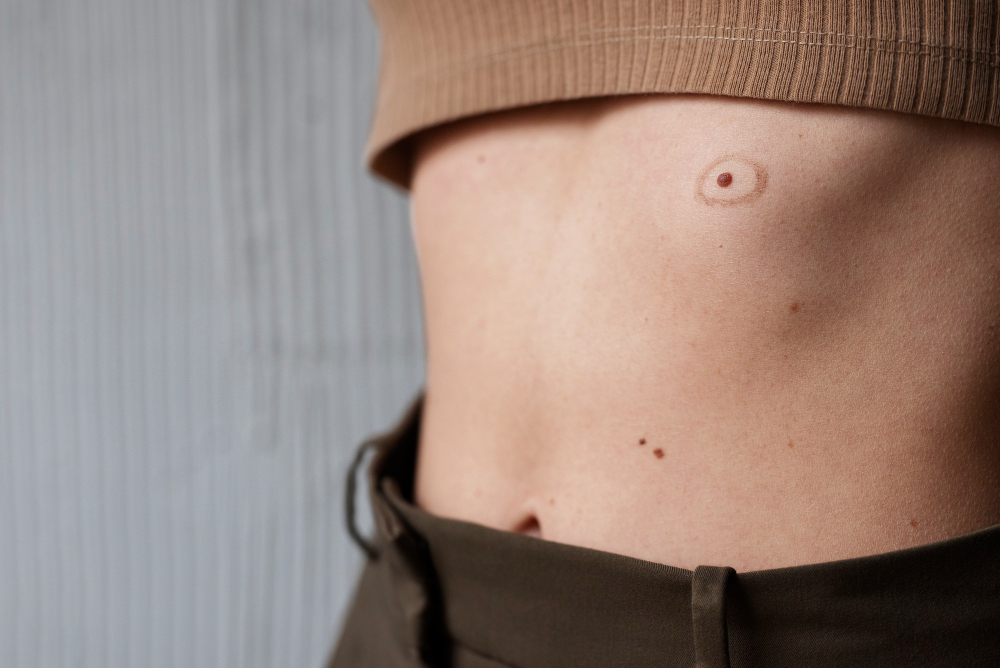
Moles (nevus) are natural formations found on almost everyone's skin. Although the majority of moles are completely benign, changes that occur in some moles over time may be an early sign of skin cancer such as melanoma. Therefore, regular mole examination is vital in the early diagnosis of skin cancer.
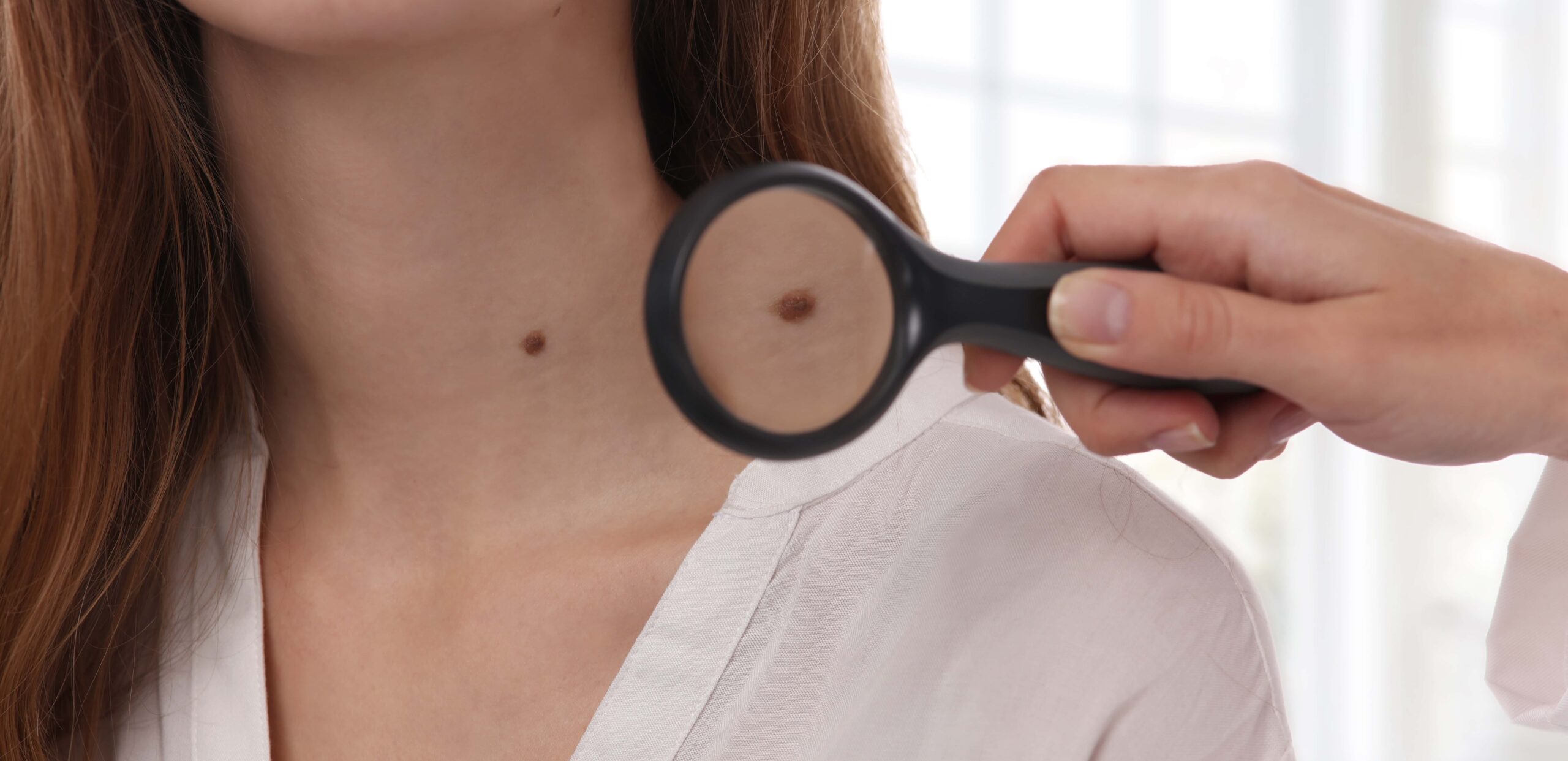
During the mole examination performed by a dermatologist, moles are examined in detail with a special device called a dermatoscope. Suspicious lesions can be detected early by evaluating structural changes that cannot be noticed with the naked eye.
Not every brown or raised formation on the skin is a "nevus". Apart from nevus, many benign skin lesions such as seborrheic keratosis, skin tag (acrochordon), wart, vascular mole, sebaceous gland (syringoma, sebaceous hyperplasia) can also be treated for aesthetic or functional reasons.
Who Should Have a Regular Mole Examination?
- Those who have many moles
- People with light skin
- Those who have a family history of melanoma or skin cancer
- Those who had intense sunburn during childhood
- Those who notice a change in shape, color or size of their moles
For which changes should you consult a dermatologist?
If there is one of the following changes, it should be evaluated without delay:
- Rapid growth of the mole
- Color change or more than one color
- Asymmetrical appearance
- Irregularity of the edges
- Bleeding, crusting or itching
- Emergence of a new mole in adulthood that did not exist before
Early diagnosis is one of the most important factors that determine the success of treatment in skin cancers, especially melanoma. Thanks to regular mole checks, possible risks can be detected at an early stage.
Firstly Dermatoscopic Examination
Each mole or skin lesion should be evaluated in detail with a dermatoscope by a dermatologist before removal.
In suspicious lesions, the priority is not the aesthetic procedure but the correct diagnosis. When necessary, surgical removal and pathological examination are recommended.
Selection of treatment method; It is determined according to the type, location, size of the lesion and the result of dermatoscopic evaluation. The aim is not only to remove the lesion but also to achieve the best cosmetic result.