Alopecia Areata | Treatment for Patchy Hair Loss
What Causes Alopecia Areata?
Although the exact cause of alopecia areata is unknown, it is accepted that it occurs as a result of the autoimmune response developed by the immune system against hair follicles.
Among the factors that can trigger the disease:
- Genetic predisposition
- Intense stress
- Viral infections
- Thyroid diseases
- Other autoimmune diseases
Even though hair follicles are damaged, they often maintain their vitality. Therefore, hair regrowth may be possible with appropriate treatment.
What are the symptoms?
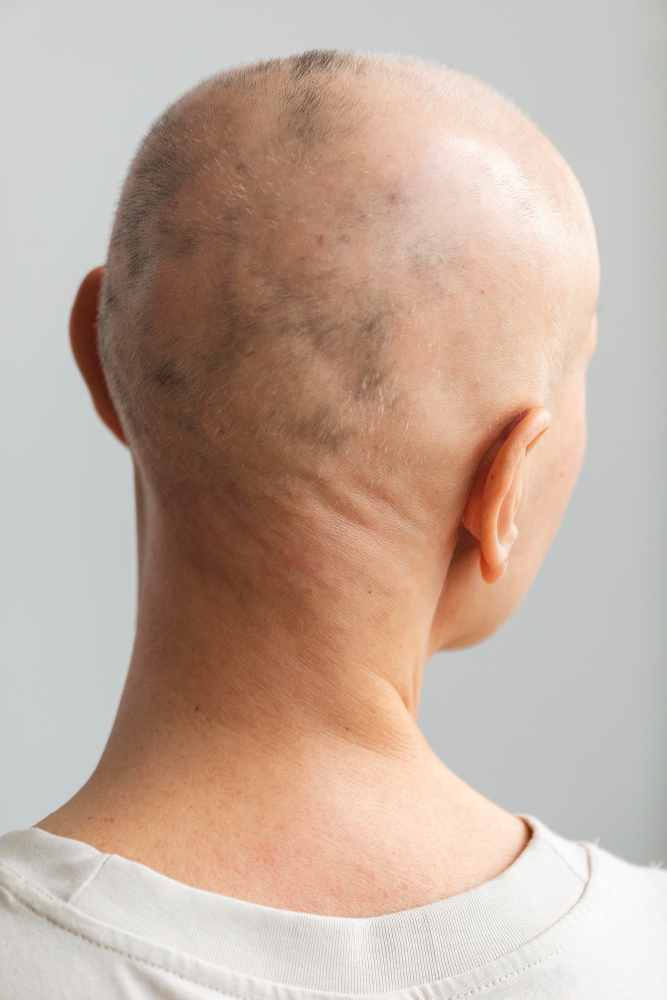
- Sudden coin-shaped hair loss
- Gaps in the beard area
- Eyebrow or eyelash loss
- Hair loss in more than one area
- Dimples or lines on the nails
While in some patients the shedding is limited to a single area, in some cases it may progress more widely.
Treatment Options
alopecia areata treatment; It is planned individually according to the prevalence of the disease, its duration and the age of the patient.
Topical Treatments
- Cortisone-containing creams
- Immunotherapeutic agents
- Supportive treatments such as minoxidil
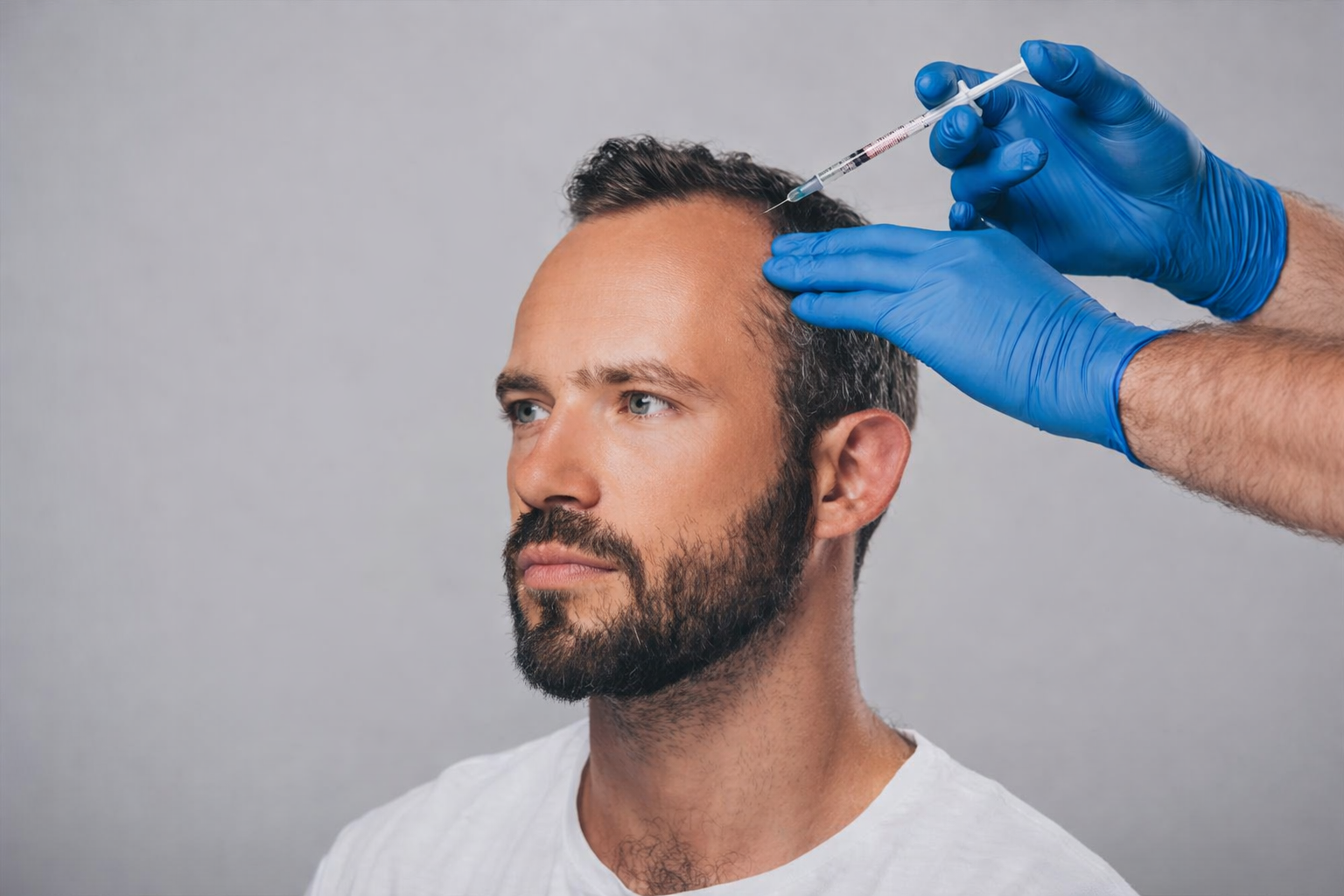
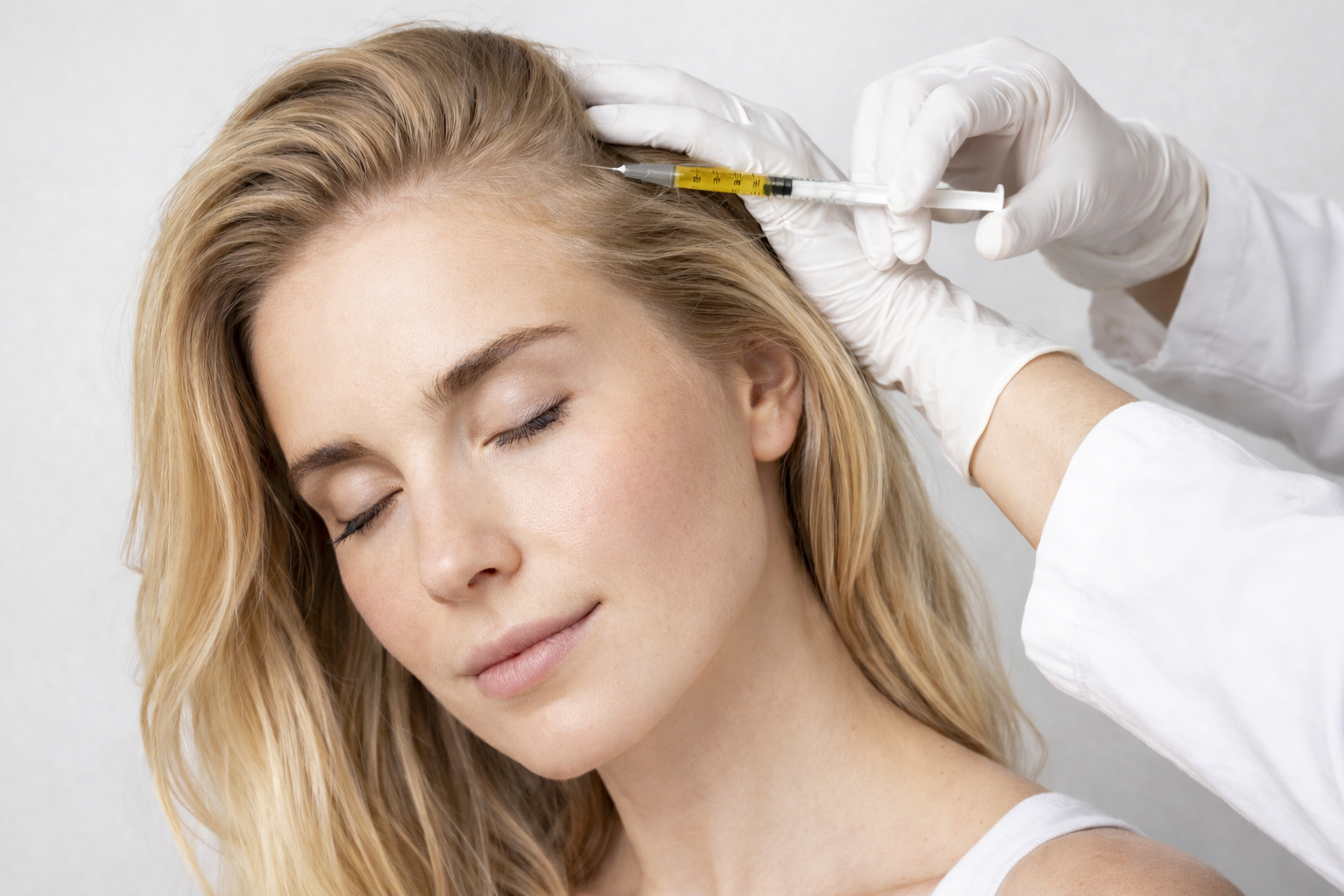
Intralesional Corticosteroid Injections
It is one of the most frequently preferred treatments in small and limited areas. It can help support hair regrowth by suppressing inflammation in hair follicles.
Systemic Treatments
In common or rapidly progressing cases, oral medications or biological and targeted treatments can be planned in suitable patients.
Supportive Treatments
In suitable patients, PRP, mesotherapy and low-level laser treatments can be evaluated to support medical treatments.
Treatment Process and Result
- Starting treatment early may increase the chance of success
- The first new hair growth can be seen within 6-12 weeks in most patients
- Treatment duration may vary depending on the extent of the disease
- Regular dermatology checks are important
Since alopecia areata is a chronic and recurrent disease, the treatment process is planned completely individually.
Treatment Approach
- The type and prevalence of alopecia areata are evaluated in detail
- The age of the patient and the duration of the disease are taken into account
- Topical, injection and systemic treatments are planned individually
- Supportive practices are used when necessary
- The response to treatment is monitored regularly
The aim is to control hair loss and support hair regrowth.
Follow-Up Process
- Dermatology checks should be continued regularly
- Treatments should not be excluded from the doctor's recommendation
- The scalp should be protected from irritation and trauma
- If new areas of shedding occur, the doctor should be informed
- Accompanying thyroid or autoimmune diseases should be evaluated
Frequently Asked Questions
Does alopecia areata go away completely? + The course of alopecia areata may vary from person to person. Hair regrowth can be supported with early diagnosis, appropriate treatment and regular dermatology follow-up. Will the hair grow back? + Since hair follicles maintain their vitality most of the time, hair regrowth may be possible with appropriate treatment. How long does the treatment process take? + Treatment duration varies depending on the extent and duration of the disease and the person's response to treatment. The first new hair growth can be seen within 6-12 weeks in most patients. Does alopecia areata recur? + Yes. alopecia areata is a chronic and recurrent disease. That's why regular dermatology checks are important.Why Our Clinic?
- Correct diagnosis and detailed evaluation by a dermatologist
- Detailed examination of the scalp with dermoscopy
- Treatment plan in accordance with current international guidelines
- Personalized approach according to the type and prevalence of the disease
The cause of alopecia areata, its prevalence and the patient's needs are evaluated and a personalized treatment and follow-up plan is created based on scientific data.